
Chronic wounds fail to move through an orderly and timely repair process. They are commonly associated with diabetes, vascular disease, prolonged pressure, infection, impaired circulation, immobility, and aging. Their consequences extend well beyond the wound itself: pain, infection, reduced mobility, repeated procedures, hospitalization, amputation risk, loss of independence, and diminished quality of life.
The scale of the problem
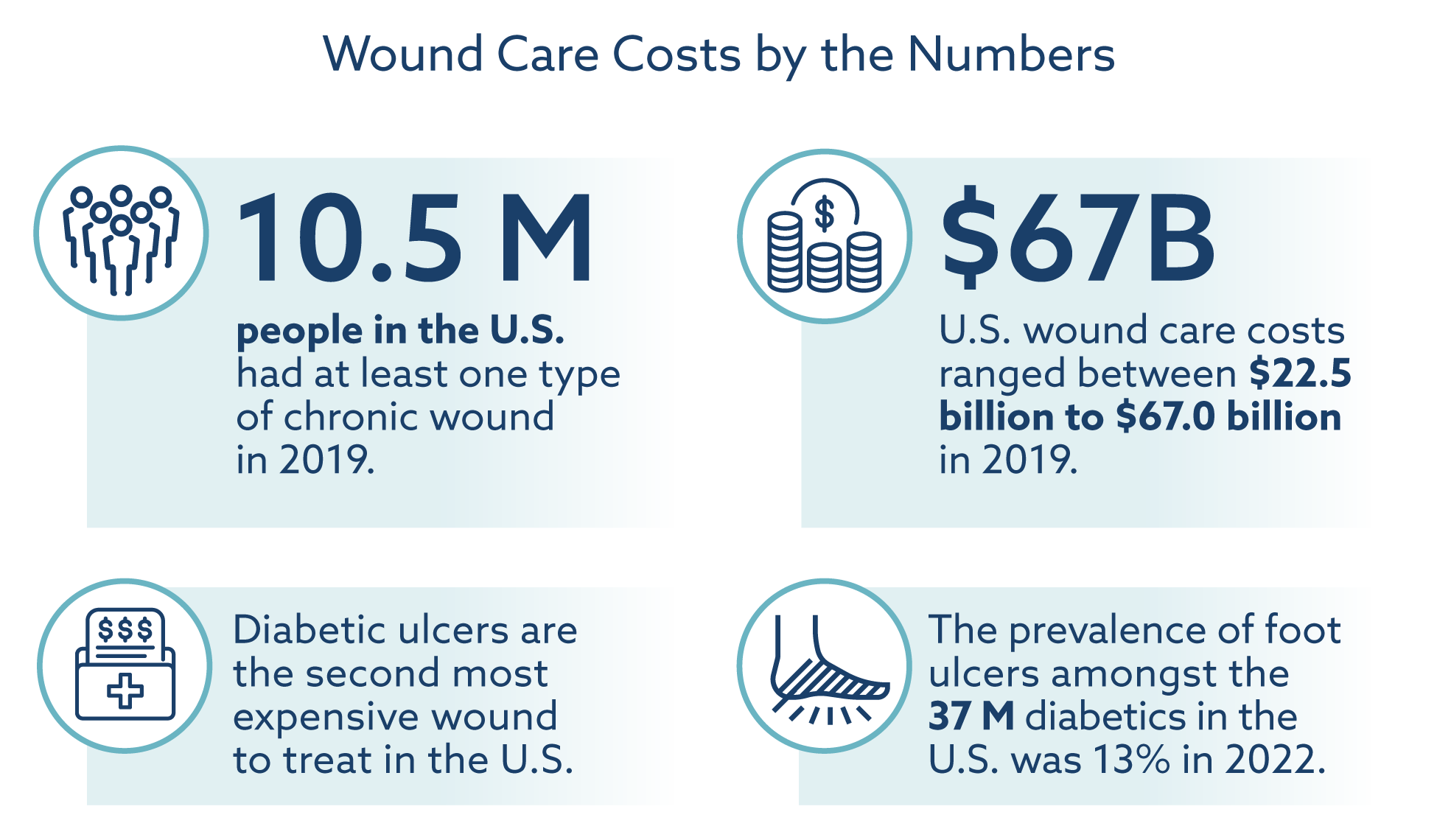
Published estimates vary because studies use different wound definitions, populations, care settings, and methods. Even with that uncertainty, the burden is consistently large. A 2021 review estimated that chronic wounds affect nearly 2.5% of the U.S. population. A Medicare analysis found that the number of beneficiaries with a chronic wound increased from 8.2 million in 2014 to 10.5 million in 2019. Depending on which wound-care services were included, estimated Medicare spending in 2019 ranged from $22.5 billion to $67.0 billion.
The incidence is distributed across several major wound types. Published 2019 estimates included approximately 2.91 million diabetic foot ulcers, 1.52 million venous leg ulcers, 1.27 million pressure injuries, and 0.51 million arterial leg ulcers. These categories and estimates should not be added together because patients may have more than one wound or appear in more than one dataset.
| Type of chronic wound | Published annual incidence in the U.S. |
|---|---|
| Skin disorders | 3.4 million |
| Diabetic foot ulcers | 2.91 million, with and without infection |
| Venous leg ulcers | 1.52 million, with and without infection |
| Pressure injuries | 1.27 million |
| Arterial leg ulcers | 0.51 million |
The population at risk is also growing. Older age, diabetes, obesity, vascular disease, limited mobility, and serious illness all increase the likelihood that a wound will become chronic or difficult to heal.

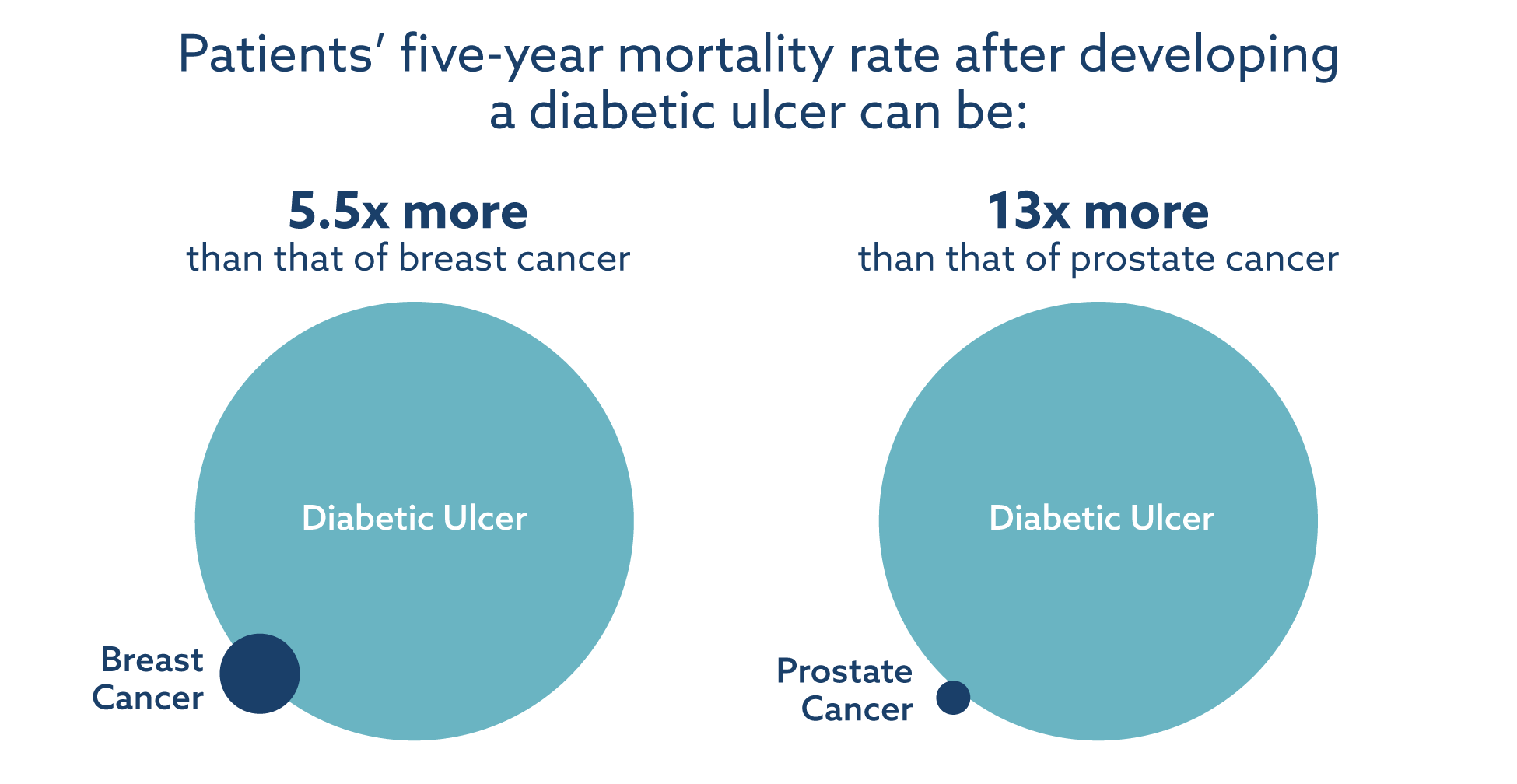
The human consequences are as important as the prevalence figures. Published estimates cited in the original paper placed five-year mortality after a diabetic ulcer at approximately 42%, rising as high as 56.6% when lower-extremity amputation was considered. Those figures were contrasted with five-year mortality estimates for breast and prostate cancer to show why chronic wounds have been described as a silent epidemic. The comparison is intended to communicate burden; it does not imply that the diseases or study populations are otherwise equivalent.
A treatment landscape dominated by management
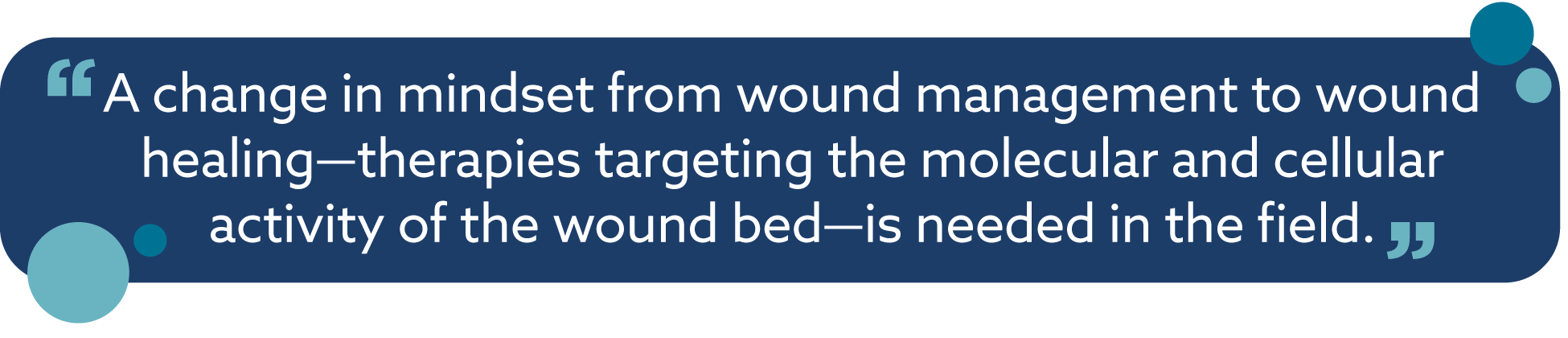
Modern wound care includes conventional and advanced dressings, cellular and tissue-based products, negative-pressure wound therapy, compression, pressure redistribution, debridement, infection management, and other supportive interventions. These tools can be essential components of care, but many are designed to protect or manage the wound while the body heals rather than act directly on the biological processes that have stalled repair.
At its 2022 Wound Healing Scientific Workshop, FDA described non-healing chronic wounds as a significant public-health burden and a high-unmet-need priority. FDA reported more than 800 cleared products, including dressings, for wound management. In contrast, the agency identified no approved small-molecule drug for a non-healing chronic-wound subtype and one biologic, approved in 1997. FDA also cited a limited number of cell-based therapies and devices authorized for treatment.
That imbalance matters. The number of available products can make the field appear crowded, while the number of therapies intended and approved to treat the underlying failure to heal remains small.
Segmentation of chronic wound-care products
The market includes conventional wound dressings, advanced wound dressings, surgical wound dressings, and wound-therapy devices. Conventional dressings include gauze, bandages, tapes, and cotton products used for protection and absorption. Advanced dressings include cellular and tissue-based products, hydrogels, hydrocolloids, alginates, foams, films, and antimicrobial dressings. Surgical products include sutures, staples, adhesives, and meshes. Device-based approaches include negative-pressure wound therapy, electrical stimulation, ultrasound, hyperbaric oxygen, and emerging bioprinting technologies.
This breadth reflects the complexity of chronic wounds, but it can also lead to piecemeal regimens in which different products address different parts of the problem. Foam dressings have been projected to grow because of their versatility, ease of use, and compatibility with other care. A foam used to deliver an active therapy, however, must be evaluated on the evidence for that specific formulation and intended use; the performance of a dressing cannot be assumed to establish the performance of a drug.

A large but fragmented market
Wound care is delivered across hospitals, outpatient wound centers, skilled nursing facilities, home health, physician offices, and family-care settings. Products are similarly fragmented across dressings, devices, biologics, procedures, and services. Different wound definitions, documentation practices, coverage policies, and reimbursement rules add complexity for patients and clinicians.
The economic opportunity is substantial because the clinical burden is substantial. The more important question is whether innovation can reduce time to healing, complications, treatment intensity, and the personal burden carried by patients and caregivers. Market growth alone does not demonstrate better outcomes.
Key players and the innovation opportunity
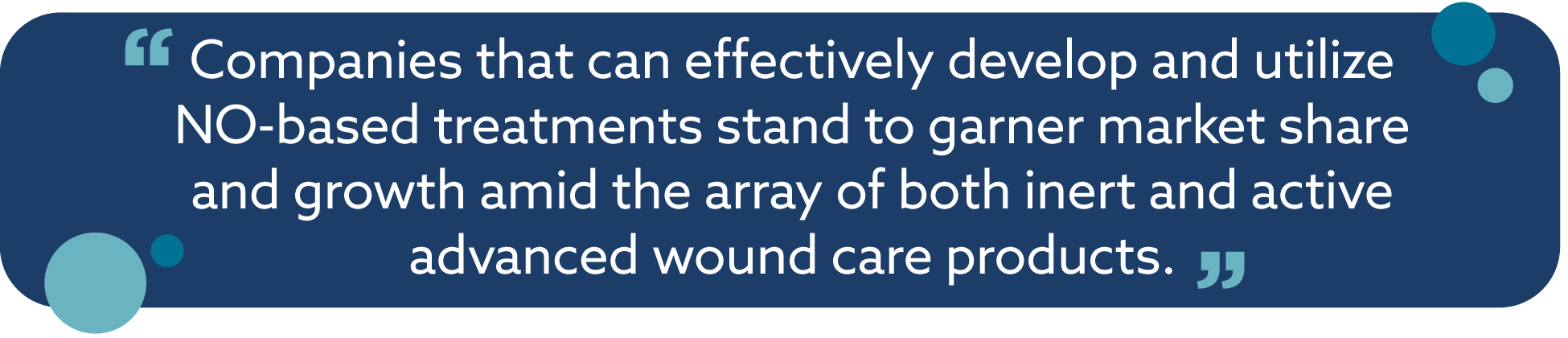
The U.S. wound-care market is competitive and fragmented. Established participants include Smith & Nephew, Mölnlycke Health Care, ConvaTec, Coloplast, 3M, Integra LifeSciences, Johnson & Johnson, B. Braun, Medtronic, Cardinal Health, and other specialized wound-care companies. Their scale and existing channels create an incentive to develop, partner for, or acquire therapies that can produce meaningfully better outcomes rather than incremental variations on established management products.
Cost, coverage, and reimbursement
Medicare and Medicaid are major payers for wound-care services, but coverage can differ by wound type, care setting, product category, documentation, medical necessity, and the patient’s eligibility. Severity, comorbidities, treatment duration, and complications further affect cost. These variables can make reimbursement difficult for patients and practitioners to navigate.
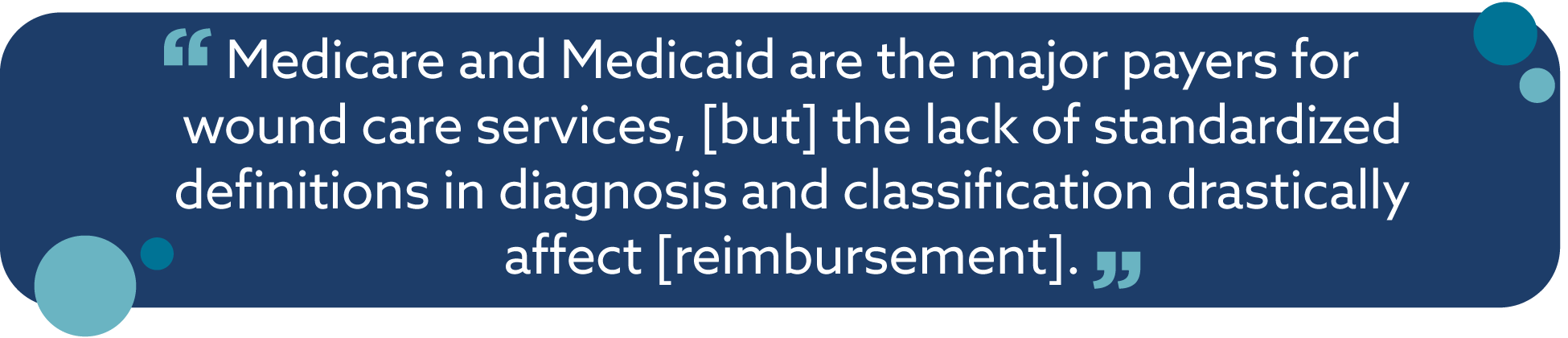
At FDA’s 2022 Wound Healing Scientific Workshop, stakeholders discussed inconsistent definitions and documentation, misalignment between regulatory and coverage decisions, coding and payment models, and the need for stronger evidence and clearer standards. Suggestions included standardized wound definitions, improved FDA–CMS coordination, payment models that recognize value and outcomes, adoption of evidence-based care, and greater patient and caregiver participation in decision-making.
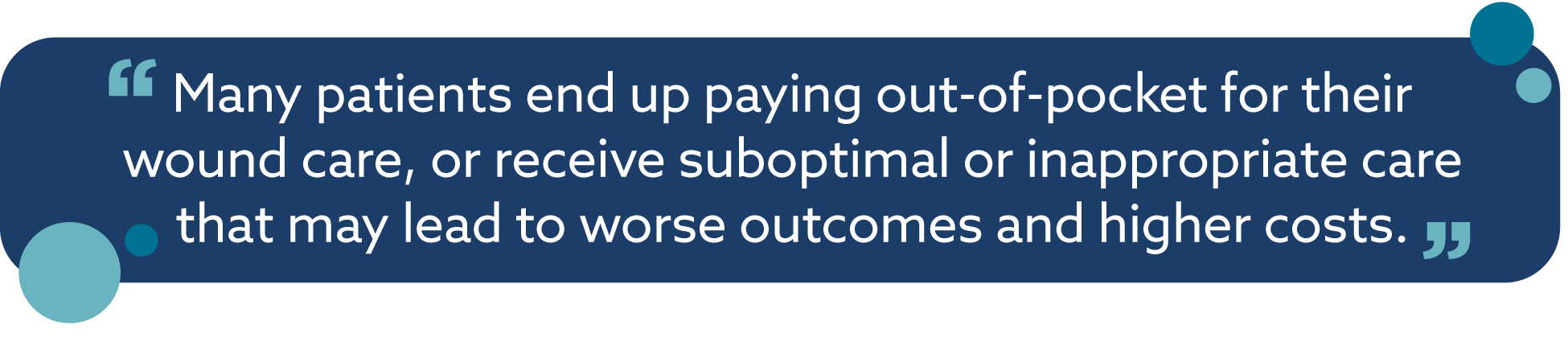
The practical consequence is that some patients face out-of-pocket costs, delayed access, or care that varies across settings. An effective therapy would still need an evidence and access strategy: regulatory approval alone would not resolve affordability, workflow, reimbursement, or equity.
Why nitric oxide is being studied
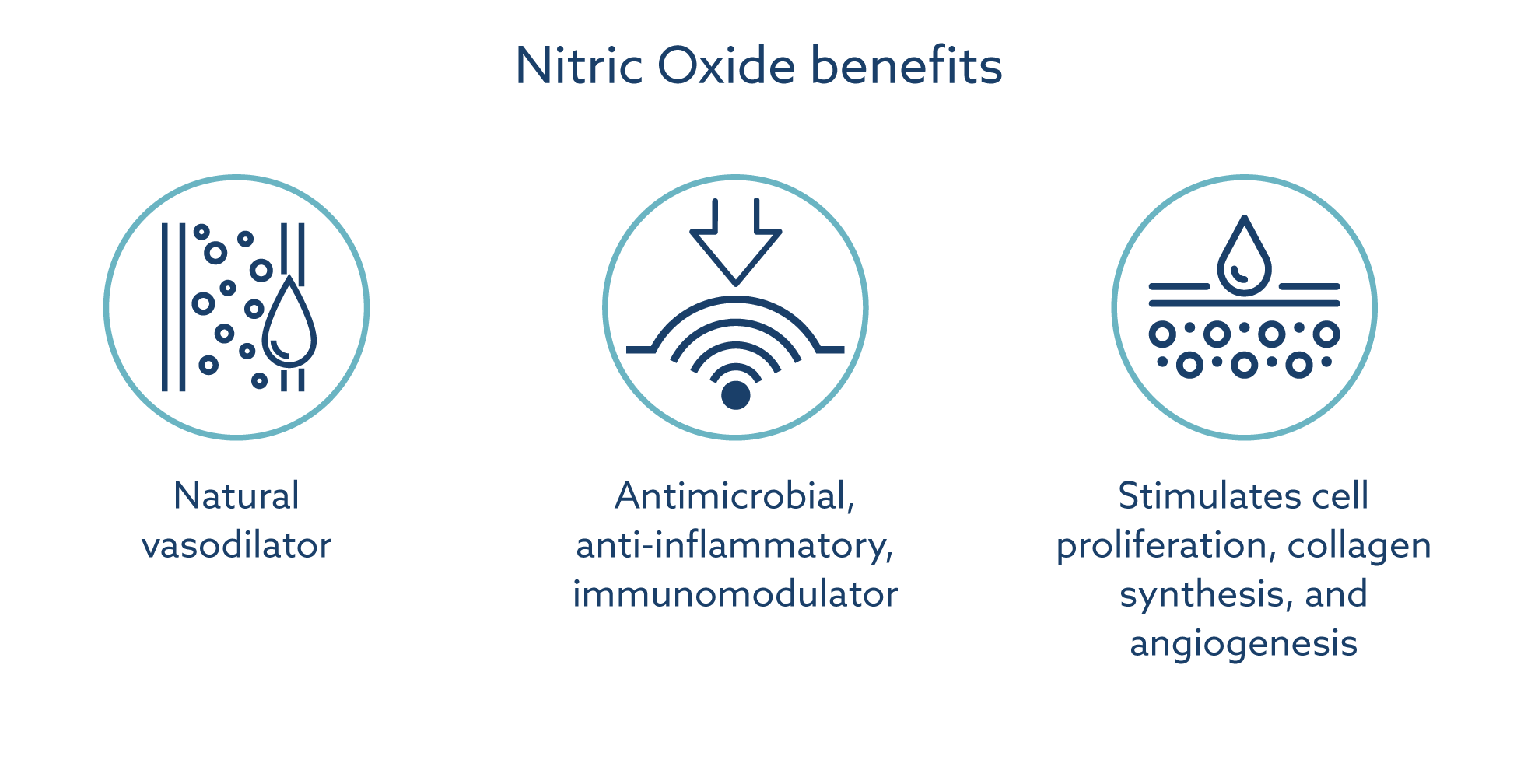
Nitric oxide is an endogenous signaling molecule involved in vascular tone, inflammatory and immune signaling, antimicrobial activity, cell proliferation, collagen formation, angiogenesis, and tissue remodeling. Published research suggests that nitric-oxide availability may be impaired in some chronic wound environments. These observations provide a biological rationale for studying local nitric-oxide delivery, but the effect of any specific product must be established through appropriate product-specific research.
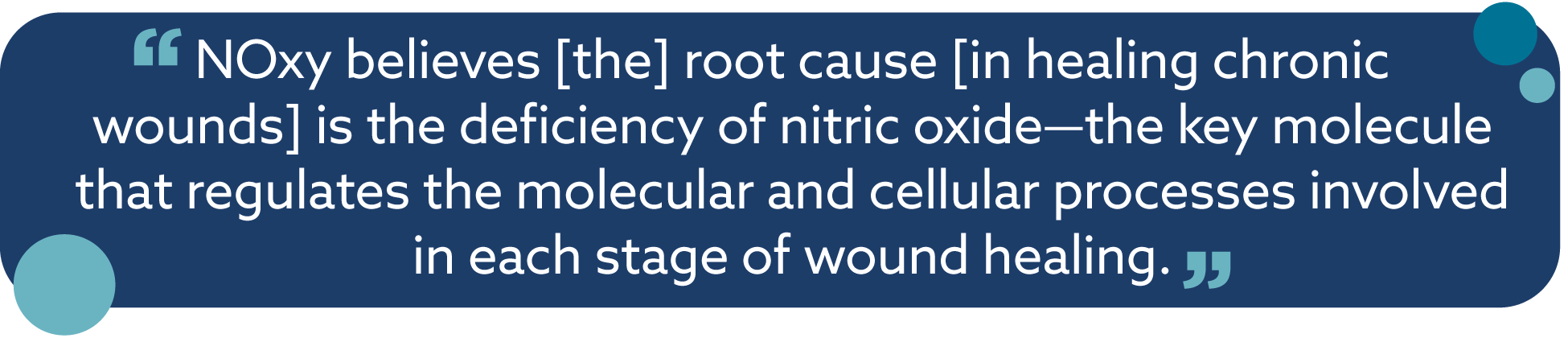
NOxy is developing a topical platform designed to generate nitric oxide at the point of care. Its components remain separate until use and combine as a foam at the application site. NOX1416 is investigational. Its safety and effectiveness have not been established, and it has not been approved by FDA.

From wound management toward wound healing
Chronic wound care will continue to require fundamentals such as pressure relief, perfusion assessment, infection management, debridement when appropriate, nutrition, moisture balance, and control of underlying disease. New therapies should complement good care while addressing biological barriers that prevent repair.
NOxy’s focus reflects the mismatch identified by FDA: millions of affected patients, tens of billions of dollars in care, and very few approved treatments. The goal is not to diminish the importance of wound management. It is to develop evidence-based therapies that may help more wounds progress to durable healing.
References
- Sen CK. Human Wound and Its Burden: Updated 2020 Compendium of Estimates. Advances in Wound Care. 2021. https://doi.org/10.1089/wound.2021.0026
- Carter MJ, DaVanzo J, Haught R, Nusgart M, Cartwright D, Fife CE. Chronic wound prevalence and the associated cost of treatment in Medicare beneficiaries: changes between 2014 and 2019. Journal of Medical Economics. 2023. https://doi.org/10.1080/13696998.2023.2232256
- Sen CK. Human Wounds and Its Burden: An Updated Compendium of Estimates. Advances in Wound Care. 2019. https://doi.org/10.1089/wound.2019.0946
- Everett E, Mathioudakis N. Update on management of diabetic foot ulcers. Annals of the New York Academy of Sciences. 2018. https://doi.org/10.1111/nyas.13569
- Armstrong DG, et al. Five year mortality and direct costs of care for people with diabetic foot complications are comparable to cancer. Journal of Foot and Ankle Research. 2020. https://doi.org/10.1186/s13047-020-00383-2
- Eaglstein WH, et al. Food and Drug Administration drug approval end points for chronic cutaneous ulcer studies. Wound Repair and Regeneration. 2012. https://doi.org/10.1111/j.1524-475X.2012.00849.x
- Centers for Disease Control and Prevention. U.S. Cancer Statistics Prostate Cancer Stat Bite: 2020. https://www.cdc.gov/cancer/uscs/about/stat-bites/stat-bite-prostate.htm
- Centers for Disease Control and Prevention. U.S. Cancer Statistics Breast Cancer Stat Bite: 2020. https://www.cdc.gov/cancer/uscs/about/stat-bites/stat-bite-breast.htm
- Tang X, et al. Wound Healing Driver Gene and Therapeutic Development: Political and Scientific Hurdles. Advances in Wound Care. 2021. https://doi.org/10.1089/wound.2019.1143
- McDermott K, et al. Etiology, Epidemiology, and Disparities in the Burden of Diabetic Foot Ulcers. Diabetes Care. 2023. https://doi.org/10.2337/dci22-0043
- Grand View Research. Advanced Wound Care Market Size, Share & Trends Analysis Report. https://www.grandviewresearch.com/industry-analysis/advanced-wound-care-market
- Diabetes Research Institute. Diabetes Statistics: 2022. https://diabetesresearch.org/diabetes-statistics/
- Siegel RL, Miller KD, Wagle NS, Jemal A. Cancer statistics, 2023. CA: A Cancer Journal for Clinicians. 2023. https://doi.org/10.3322/caac.21763
- Grand View Research. Wound Care Market Size, Share & Trends Analysis Report. https://www.grandviewresearch.com/industry-analysis/wound-care-market
- Verified Market Research. U.S. Chronic Wound Care Market Size and Forecast. https://www.verifiedmarketresearch.com/product/us-chronic-wound-care-market/
- Grand View Research. U.S. Advanced Wound Care Market Size & Share Report. https://www.grandviewresearch.com/industry-analysis/us-advanced-wound-care-market
- Allied Market Research. U.S. Advanced Wound Care Market. https://www.alliedmarketresearch.com/us-advanced-wound-care-market-A06638
- Kandhwal M, et al. Understanding the Potential Role and Delivery Approaches of Nitric Oxide in Chronic Wound Healing Management. Current Pharmaceutical Design. 2021. https://doi.org/10.2174/1381612826666201026152209
- Grand View Research. U.S. Wound Care Centers Market Size & Share Report. https://www.grandviewresearch.com/industry-analysis/us-wound-care-centers-market
- U.S. Food and Drug Administration. Wound Healing Scientific Workshop. April 28–29, 2022. https://www.fda.gov/drugs/news-events-human-drugs/public-workshop-fda-wound-healing-scientific-workshop-04282022
- Federal Register. Wound Healing Scientific Workshop; Public Workshop; Request for Comments. 2021. https://www.federalregister.gov/documents/2021/12/20/2021-27459/wound-healing-scientific-workshop-public-workshop-request-for-comments
- Alliance of Wound Care Stakeholders. Responses to Questions Posed by FDA for its April Wound Healing Scientific Workshop. https://www.woundcarestakeholders.org/advocacy/submitted-comments/responses-to-questions-posed-by-fda-for-its-april-wound-healing-scientific-workshop